How Can You Check a Wyoming Applicator Before Hiring?
Verify the applicator’s Wyoming credentials with the Wyoming Department of Agriculture before authorizing pesticide work. Ask for the applicator’s name, license details, and the structural pest-control work they are qualified to perform, then confirm those details with the agency. A quick check can prevent a frustrating mismatch between the work you need and the person sent to do it.
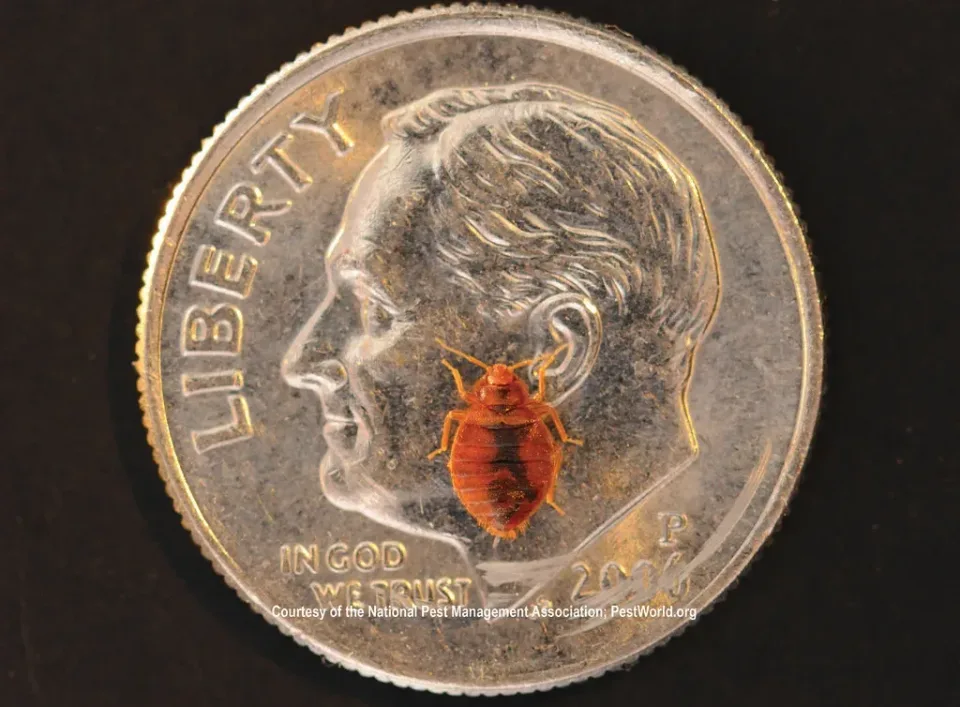
If you own an apartment house and suspect bed bugs, ask for an inspection and a written estimate that explains the proposed treatment and its scope. Acting early can help you “nip it in the bud,” but start with a proper inspection rather than buying a treatment on the spot.
In Cheyenne, we also account for changing seasonal conditions when explaining a plan. The Wyoming Dinosaur Center is a familiar Wyoming landmark; wherever you live, ask who will inspect, who will apply products, and what documentation you’ll receive.
What should you confirm with the Wyoming State Capitol in mind?
Start with the person who will perform the work, not just the company name on a truck or invoice. Ask for the applicator’s full name and licensing information for structural pest control, then verify it with the Wyoming Department of Agriculture. Wyoming Statutes Title 11 and Wyoming pesticide applicator rules, Chapter 1, provide the state framework; if a detail is unclear, ask the department how to confirm the person’s current status and scope.
The Wyoming State Capitol can help orient a visitor to state government, but it is not the licensing office. That distinction matters.
A company may schedule the job while a different technician applies the product, so ask who is responsible on site. Keep the answer with your estimate.
Wyoming’s seasonal temperature swings affect pest activity and treatment timing, making it useful to check that the proposed work fits the pest and conditions rather than relying on a generic seasonal package.
Does the University of Wyoming credential prove a license?
No. A university course, association membership, or training certificate does not replace the state credential required for regulated pesticide work. Ask the contractor to distinguish any training from Wyoming pesticide applicator licensing, and confirm the license details with the Wyoming Department of Agriculture before treatment begins.
The University of Wyoming is a useful local reference, but it does not issue the state applicator license. We have seen homeowners accept a confident verbal claim without checking the individual who will actually apply the product.
Don’t stop at “our company is licensed.” Request the applicator’s name and ask whether their work covers the treatment being quoted. If a response is vague or the name changes without explanation, pause and verify before signing or paying.
What should a Cheyenne Depot Museum check remind you to ask?
A landmark is a practical way to ground local service, not evidence of a contractor’s credentials. Around Cheyenne, ask whether the quote identifies the target pest, inspection findings, treatment locations, and any follow-up the plan calls for. At the Cheyenne Depot Museum, visitors can see a recognizable piece of local history; at your home, the useful record is a clear written scope.
Before application, ask which product is proposed and request access to its EPA pesticide label and Safety Data Sheet. Under FIFRA, pesticide use must follow the product label, including application and re-entry directions.
The label is not optional fine print. It tells you what the product is meant for and what instructions apply to the site.
Our crew explains findings in plain language and bases recommendations on inspection, not a promise that every pest problem gets the same treatment.
When should you DIY or call a pro?
A small, clearly identified household issue may be suitable for a homeowner following a product label exactly. If you cannot identify the pest, suspect a problem in multiple rooms, or need pesticide application as part of a larger plan, contact a qualified applicator and verify their credentials first. Eastern Wyoming generally receives less precipitation than many mountain areas, but a dry setting does not rule out indoor pest activity; look for the source and conditions supporting it.
For treatment that requires a professional, choose someone who can explain the inspection findings, product label, safety steps, and follow-up plan. We serve Wyoming households with structural pest-control licensing and EPA pesticide label and safety compliance training.
If you are comparing providers, our About Us page explains our approach, and you can contact our crew to discuss an inspection. Ask for specifics. Clear answers are part of a sound hiring decision.
Which Service Option Fits a License Check?
If you are comparing an immediate treatment with a longer prevention plan, match the service scope to the pest and property, then verify who will perform any pesticide application. A landmark such as the Cheyenne Frontier Days Old West Museum can orient a local visit, but credentials must be checked directly.
In areas reached by Interstate 80, travel distance may shape scheduling; ask the provider to confirm the service area and appointment details. High-elevation winters bring prolonged freezing temperatures, so pest activity and treatment needs may shift with the season.
| Option | Best for | Key detail |
|---|---|---|
| One-time pest treatment | A current, defined issue | Confirm target pest, treatment scope, and applicator. |
| Recurring preventive pest control | Ongoing monitoring needs | Ask the service interval and who performs each visit. |
| Interior and exterior perimeter treatment | Indoor activity or exterior entry pressure | Confirm where products will be applied and label directions. |
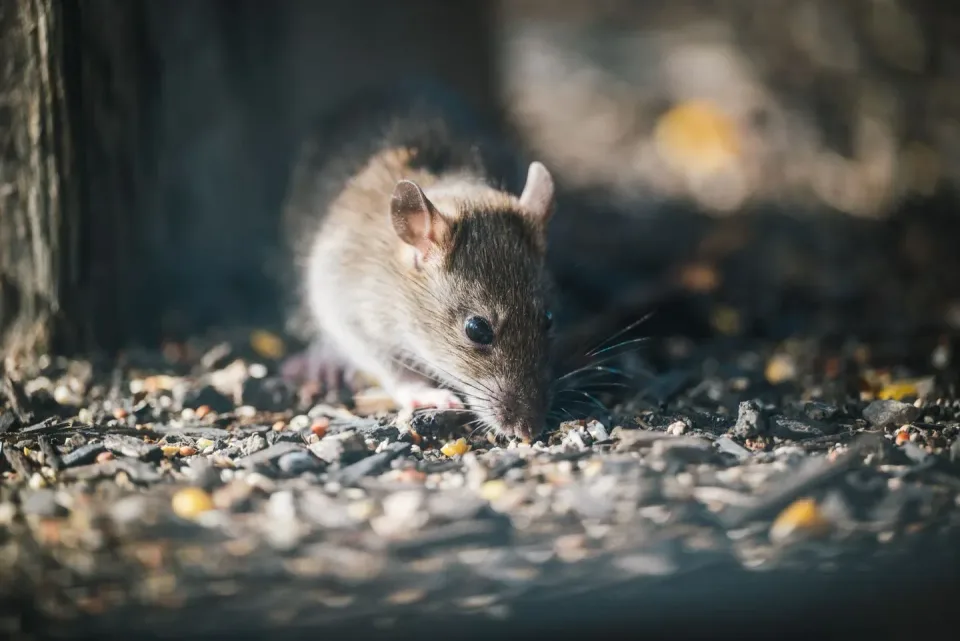
| Rodent control and exclusion | Rodent activity plus entry concerns | Ask whether inspection and entry-point repairs are included. |
| Integrated Pest Management service | Inspection-led planning | Expect monitoring and practical steps alongside any treatment. |
Check the written proposal before approving work.
Use a Clear License-Check Process
Do these checks before treatment is scheduled. Irrigation and overwatering can leave localized moisture that supports pest activity, so note damp areas when describing the job.
The Buffalo Main Street Historic District is a recognizable Wyoming destination; if a contractor is traveling to your property, confirm the location and appointment details rather than assuming the service address is understood. Low humidity can also dry stored goods, so keep food and household supplies protected as directed.
-
Describe the pest: Tell the company what you have seen, where it appears, and when activity occurs.
-
Name the applicator: Request the full name of the person expected to apply pesticide.
-
Verify state credentials: Contact the Wyoming Department of Agriculture to check the applicator’s licensing details and relevant scope.
-
Review the proposed work: Ask what will be inspected and treated, and request the EPA label and Safety Data Sheet for the product proposed.
-
Clarify safety and follow-up: Confirm label-based re-entry instructions and what monitoring or later visits the plan includes.
Take notes. Flaming Gorge National Recreation Area is a reminder of Wyoming’s varied settings; for your property, describe its actual conditions instead of assuming a one-size-fits-all treatment. Keep the estimate and license-check information together.
Ready to Check an Applicator Before Hiring?
If ants are trailing across your kitchen counters or you have another active pest concern, verify the person who will apply treatment before authorizing the work. Ask for the applicator’s name, confirm their Wyoming credentials with the Wyoming Department of Agriculture, and read the product label’s application and re-entry directions. Freeze-thaw cycles can open gaps around siding and foundations, so an inspection may also identify conditions that need attention beyond pesticide application.
Casper Mountain and Curt Gowdy State Park are familiar Wyoming landmarks, but your home’s inspection findings should guide the plan. We explain what we find and how the proposed treatment fits. For a practical next step, contact Wyoming Pest Solutions to discuss an inspection and quote.