What Pantry Droppings Can Tell You First
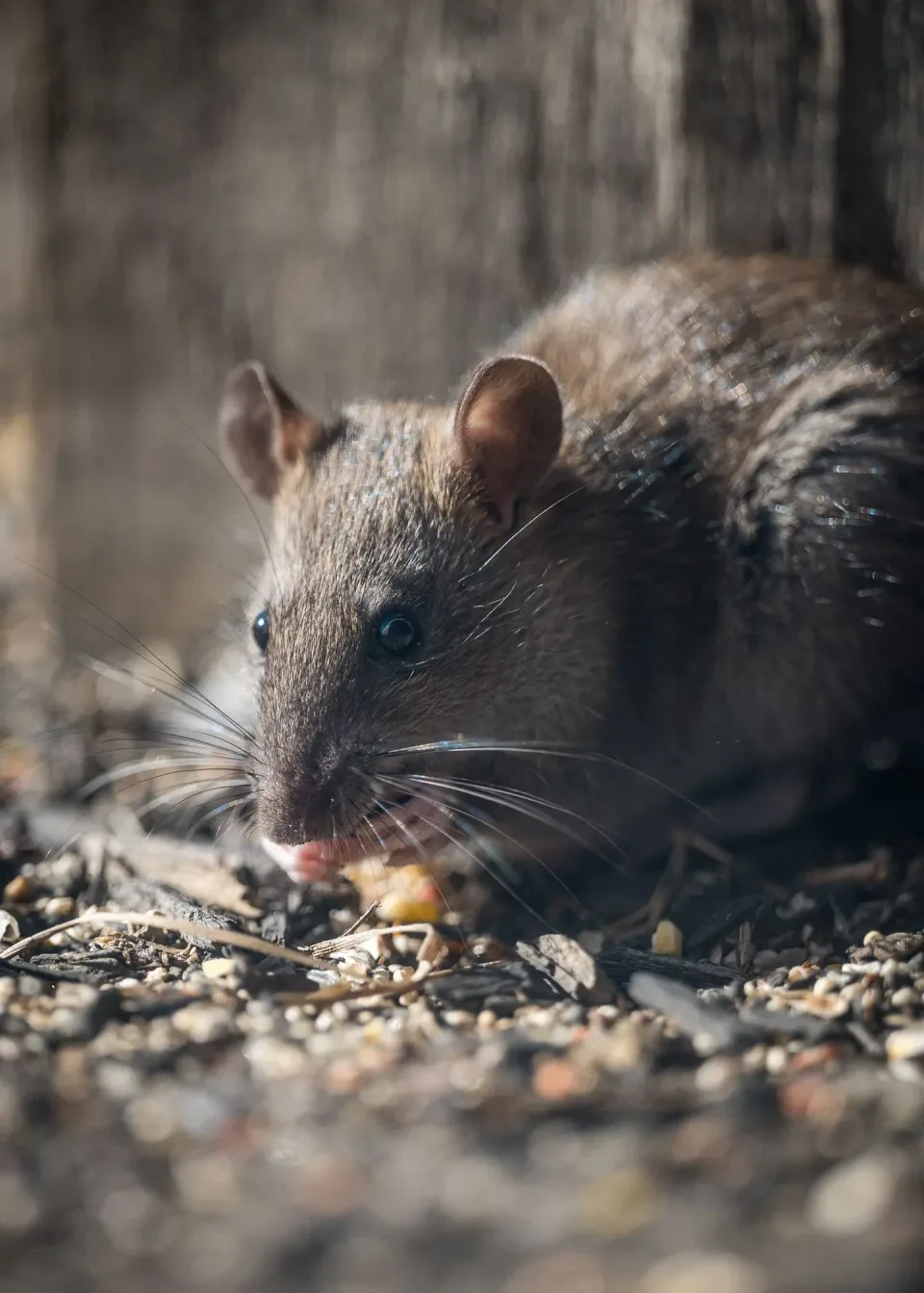
Mouse droppings inside pantry cabinets call for a careful check before you clean or move stored food. Keep people and pets away from the affected area, avoid touching the droppings, and look for additional signs nearby. Wyoming Dinosaur Center visitors know how close Wyoming homes and open country can feel; around a pantry, that makes checking the cabinet edges and nearby food containers a practical first move.
One customer saying, “I have a mouse problem that I need help with,” may be seeing more than one isolated dropping, so note where evidence appears and whether it returns. Another caller’s “getting ate up” concern describes the disruption and worry of repeated pest activity, not something to dismiss. Wyoming Pest Solutions can inspect the evidence and explain a treatment plan.
What should you check around pantry droppings?
Start with the shelf, cabinet corners, and food packaging closest to the droppings. Do not sweep or vacuum them dry; keep children and pets out, and follow public-health guidance for cleanup.
Look for torn bags, gnawing, nesting material, or additional droppings along the cabinet base and wall. Take a photo and note the date and location before moving items. That record helps distinguish a one-time sign from continuing activity.
In Wyoming, eastern areas generally receive less precipitation than many mountain areas, but dry conditions do not rule out mice indoors. A pantry still offers food and sheltered harborage.
Look beyond the cabinet, too: check plumbing penetrations, appliance gaps, and the route toward the floor or an adjoining room. At the Wyoming Territorial Prison State Historic Site, visitors see how buildings reflect their setting; in your home, the useful lesson is to inspect how the structure meets the ground and where utility lines enter.
Could a small opening explain recurring evidence?
Yes, a gap you might overlook can let rodents reach a kitchen and return to a dependable food source. Freeze-thaw cycles can open gaps around siding and foundations, so inspect exterior seams and transitions rather than focusing only on the pantry.
Do not assume a cabinet treatment will solve an entry problem. Our field checks connect interior droppings evidence with exterior access points and likely travel routes.
The University of Wyoming is a familiar landmark, but no single local building type explains every mouse issue; the practical point is that each property needs its own inspection. Around Casper Mountain, homes may face different exposure and access conditions than a house in town.
We look for openings, food sources, and sheltered movement paths before recommending control steps. If activity is also audible above a bedroom, compare that evidence with our guide to checking for rodents above the bedroom ceiling.
When should you call a professional instead of handling it yourself?
If the droppings are limited to one accessible spot and you can safely isolate it, begin by securing food and arranging careful cleanup using current public-health instructions. Call for help if evidence appears in multiple cabinets, returns after cleaning, or accompanies gnawing or sounds in inaccessible spaces. Avoid placing loose products near food or where children and pets can reach them.
At Curt Gowdy State Park, outdoor conditions vary with the terrain; at home, the lesson is to check more than the visible surface. Our inspection looks for the source and entry route, then matches the response to the evidence. Rodent bait stations and entry-point checks explains why targeting activity without addressing access may leave the underlying problem in place.
How can you keep the pantry from inviting repeat visits?
Transfer opened dry goods into sturdy, sealed containers and remove crumbs from shelf corners. Keep the floor and the space under nearby appliances accessible for inspection, and note any fresh signs rather than repeatedly shifting a suspected bait or trap.
Check around pipes and other utility penetrations during routine cleaning. If you find an opening, record its location and have it assessed before sealing a route that could leave a rodent trapped indoors.
Our Mouse Extermination service begins with inspection findings, not a one-size-fits-all placement.
Which Mouse Evidence Response Fits a Pantry Problem?
If you find droppings in one cabinet but are unsure whether they are fresh, choose an inspection-led response before applying products. In Wyoming, irrigation and overwatering can create localized pest-friendly moisture, so note damp areas near the home as well as pantry signs.
Near Interstate 80, a property’s exact access and building conditions matter more than the road name; the same is true at a home near the Wyoming State Capitol. Ask what the service will inspect and how it will address both activity and access.
| Option | Best for | Key detail |
|---|---|---|
| One-time pest treatment | A defined active issue | Addresses the identified problem |
| Recurring preventive pest control | Repeated seasonal concerns | Service frequency may be monthly, quarterly, or seasonal |
| Interior and exterior perimeter treatment | Interior signs with exterior access concerns | Interior work is localized; exterior work focuses outside when available |
| Rodent control and exclusion | Mice plus suspected entry points | Baiting targets rodents; exclusion blocks access |
| Integrated Pest Management service | Evidence requiring inspection and follow-up | Monitoring helps assess activity before next steps |
Prepare the Pantry Before a Mouse Inspection
First, make a note of the cabinet and shelf where you found evidence; that detail helps direct the inspection. Cheyenne Frontier Days Old West Museum is one local point of reference, but your kitchen’s signs not a landmark guide the service plan.
Drought periods can drive insects toward irrigated landscapes, so also mention nearby outdoor activity if you have noticed it; it can help clarify what you are seeing. In Riverton, the Fremont County Pioneer Museum offers a reminder that buildings and their surroundings have distinct histories, so share relevant changes or repairs at your property.
Green River Downtown Historic District is another local reference, not a substitute for inspecting your own entry points. During high-elevation winters, prolonged freezing can change when you notice indoor rodent activity.
-
Confirm the evidence: Photograph the cabinet and record where you found droppings.
-
Protect food: Seal or remove exposed food and utensils from the affected area.
-
Secure pets: Keep animals away from the pantry and any planned service area.
-
Clear access: Make space beneath sinks, around appliances, and at cabinet edges.
-
Share access details: Identify crawlspace, attic, or basement access if you suspect activity beyond the kitchen.
-
Follow instructions: After service, follow the product label’s re-entry directions and ask about follow-up after monitoring review.
Get a Clear Plan for Pantry Mouse Evidence
A few droppings in a cabinet are a reason to check carefully, protect food, and look for evidence beyond the shelf. If signs return or appear in several places, an inspection can help identify whether the issue involves a nearby route or a wider access problem.
The Cheyenne Depot Museum is a Wyoming landmark; at home, the useful focus is the condition of your own kitchen and building. Grand Teton National Park reminds visitors how varied Wyoming settings can be, so treatment planning should be based on the property in front of us.
For a warm-water-area home, Hot Springs State Park may be familiar, but it does not replace an on-site assessment. Contact Wyoming Pest Solutions at (877) 729-2528 and ask us to inspect the pantry evidence and explain a practical plan, including Mouse Extermination.