What Should You Check
When Scratching Comes from the Ceiling?
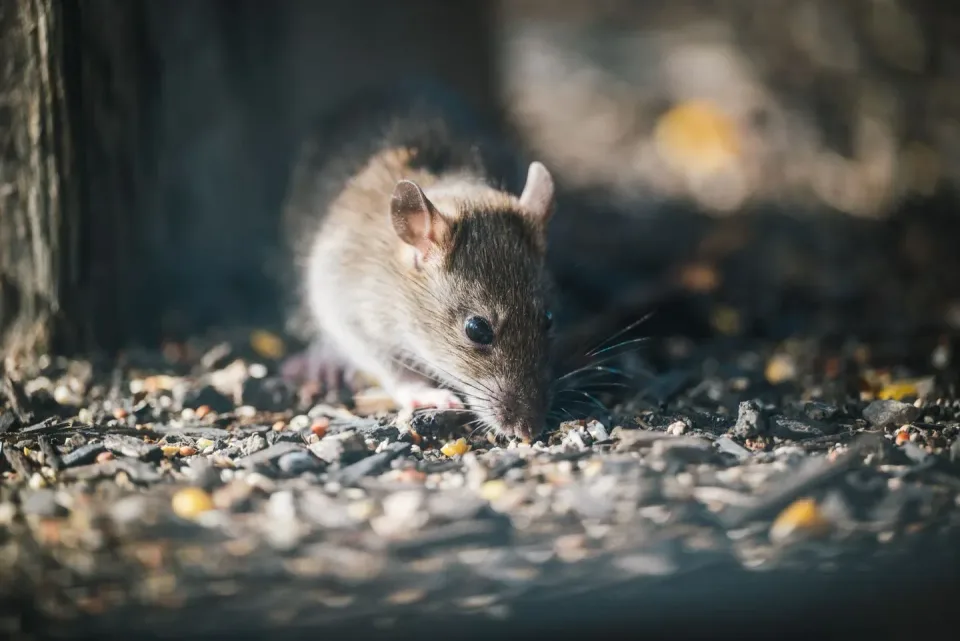
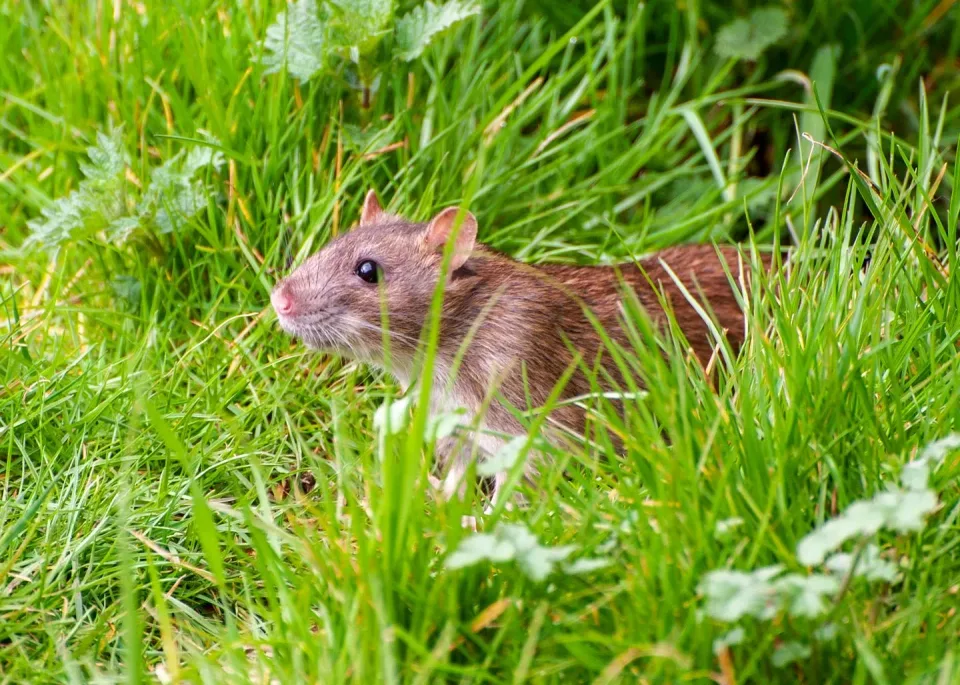
Scratching above the bedroom ceiling at night can point to a rodent in an attic or ceiling void, but sound alone cannot confirm the pest. Start by noting when it happens and checking accessible areas for droppings, gnaw marks, or disturbed insulation; do not cut into the ceiling.
Long cold spells can push rodents indoors for shelter, so quiet weather changes may coincide with new sounds. A call asking for “somebody to come out and spray for bed bugs and everything” can signal uncertainty about the pest; identify the evidence before choosing a treatment.
Likewise, if someone wants a wasp problem removed right away after being stung, the next step is to describe the nest and access. Around the Wyoming State Capitol, we recommend checking attic access and asking for an inspection that identifies the target pest.
What Does Scratching Above the Bedroom Ceiling Mean?
Scratching sounds above the bedroom ceiling can come from rodents moving through an attic, but a branch, loose material, or another animal can also make noise. Listen for a pattern: repeated movement after dark and sounds that shift across the ceiling are useful clues, not proof.
Do not assume that a pesticide spray will solve it. Our crew checks accessible attic and crawlspace areas, looks for droppings and gnawing, and follows the evidence to likely routes.
The National Historic Trails Interpretive Center is a familiar Casper landmark; in homes across the state, the practical point is to inspect the actual structure rather than guess from a distant sound. A flashlight and inspection mirror can help check tight access points without opening finished ceilings.
Can Snow Hide Rodent Activity Outside?
Yes, snow can cover tracks and other signs around a home, making it harder to spot where rodents travel. Check again when the ground is visible, especially near utility penetrations, foundation edges, and stored materials.
Snow cover can conceal exterior rodent activity, so a lack of visible tracks during winter does not establish that the perimeter is clear. In a home near Bighorn National Forest, seasonal conditions may also affect how accessible an exterior inspection is; clear a safe route before examining the foundation.
We look for gaps and evidence indoors as well as outside, because a clean-looking snow surface is not a reliable all-clear.
Which Signs Should You Record Before Calling?
Write down the time and location of each sound, then note any visible evidence you can reach safely. Look for droppings, chewed packaging, nesting material, or a gap around a pipe; avoid handling droppings or disturbing suspected nesting.
A small inspection log helps a technician compare where you heard movement with the places rodents may enter or travel. At Fort Laramie National Historic Site, visitors can see how buildings tell stories through physical evidence; at home, the useful evidence is much smaller and should be photographed from a safe distance.
Do not move insulation or step onto ceiling drywall. We use inspection findings to separate an active rodent issue from an unrelated noise before recommending a treatment plan.
When Should You DIY or Call a Pro?
If you can inspect an accessible area from a stable floor or walkway and find no droppings, damage, or entry point, record the sound and monitor for a short period. Stop if reaching the area requires stepping onto joists, disturbing insulation, or opening a wall or ceiling.
Call for professional help when you find repeated droppings, fresh gnawing, a suspected entry route, or sounds that persist; those signs warrant a careful inspection rather than blind bait placement. In Wyoming, homes near Bighorn Canyon National Recreation Area may have different access and building conditions from homes in town, so the inspection should fit the property.
Our team explains what we find and discusses exclusion or other rodent-control steps based on evidence. For related signs in food storage, see what to check first for mouse droppings in pantry cabinets.
Which Rodent Check Is Right for Ceiling Scratching?
If noises continue but the cause is unclear, choose the option that can confirm activity and address its source. Interstate 80 connects communities across Wyoming, but travel routes do not change the need to inspect each property on its own.
A home near Devils Tower National Monument may need a different access plan than a house near the Wyoming State Capitol; mention the building layout when arranging a visit. Here are practical distinctions.
| Option | Best for | Key detail |
|---|---|---|
| One-time inspection | A new, unexplained ceiling sound | Scope may range from one unit to a multi-building property. |
| Rodent control and exclusion | Evidence of rodents and possible entry routes | Exclusion blocks entry; baiting targets rodents indoors. |
| Monitoring | Checking whether activity continues | Monitors detect activity; treatment targets active pests. |
| DIY products | A homeowner able to identify the pest and placement | Professional service is inspection-led rather than guesswork. |
Ask what areas will be inspected and how findings guide the next step.
How Should You Prepare to Check Ceiling Scratching?
Before an inspection, note the noise location and identify attic, basement, or crawlspace access. Keep the route clear.
Low humidity can dry indoor air and stored goods, so do not mistake brittle packaging or dried material alone for rodent evidence; look for corroborating signs. If your home is near the University of Wyoming, the same careful prep applies: give the technician usable access rather than moving materials into another inspection area.
-
Record the sound: Write down the room, time, and whether the scratching shifts position.
-
Check visible evidence: Photograph droppings or damage from a safe distance; do not handle waste.
-
Identify access: Tell the technician where attic, basement, and crawlspace openings are.
-
Secure pets: Keep pets away from the inspection route and any treatment area.
-
Ask about next steps: Confirm what was found and whether monitoring or exclusion is recommended.
Share your notes when arranging a visit so the inspection can focus on the right areas.
Should You Get Help for Ceiling Scratching in Wyoming?
If scratching above your bedroom repeats or you find droppings or gnaw marks, arrange an inspection instead of guessing at the pest or placing bait blindly. Freeze-thaw cycles can open gaps around siding and foundations, so an inspection should consider possible entry points as well as the sound indoors.
Near Curt Gowdy State Park, homes may face different property conditions than those in town, but the same rule applies: trace evidence before choosing a fix. Keep a record of when noises occur and make attic or crawlspace access available if it is safe.
We inspect carefully and explain a treatment or exclusion plan suited to what we find. Contact Wyoming Pest Solutions at (877) 729-2528, or learn about our Mouse Extermination service.